
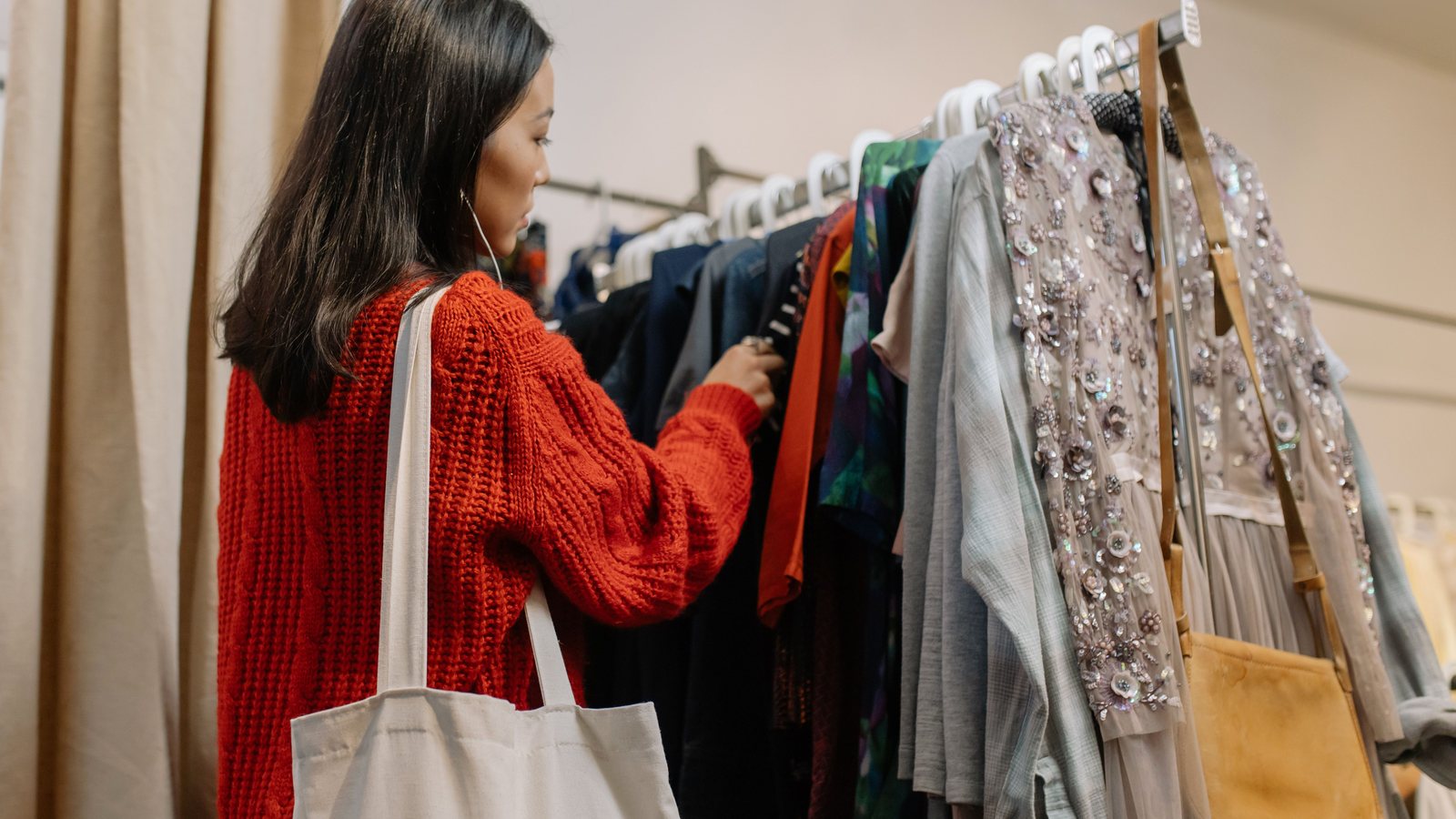
An online fashion cart can grow quickly because every item looks separate on the screen. A shirt appears affordable, a second pair of trousers seems useful, and a small accessory feels harmless. The problem becomes obvious only at checkout, when the cart contains several pieces that do not work together. A better approach is to build the cart as a small wardrobe plan rather than a collection of isolated bargains.
Begin with the gaps in your wardrobe
Open your wardrobe before opening a shopping app. Identify what you wear often, what is worn out, and what is missing. You may discover that you do not need another statement top; you need a neutral layer, a dependable pair of trousers, or comfortable shoes for work. Shopping from a written gap list makes it easier to reject attractive items that duplicate what you already own.
A useful list is specific. Instead of “buy clothes,” write “one breathable white shirt, one dark everyday trouser, and one lightweight outer layer.” Add the occasions each piece must serve. A shirt that works for both work and casual weekends has more value than a highly specific item worn once.
Build around complete outfits
Every item in the cart should create at least two outfits with pieces you already own. If a new skirt requires a new top, new shoes, and a special jacket, its real cost is much higher than the displayed price. Take screenshots of your existing basics or keep a short list of their colors. Then test each new piece against them.
This idea is related to the capsule wardrobe approach, where a smaller set of compatible garments produces many outfits. You do not need to follow a strict capsule. The useful principle is compatibility: more combinations from fewer purchases.
Use measurements instead of size labels
Size names are inconsistent between brands and even between collections from the same brand. Measure a garment that already fits well and compare its dimensions with the product chart. For trousers, check waist, rise, hip, and inseam. For tops and jackets, check chest width, shoulder width, sleeve length, and total length.
Customer reviews can help identify whether an item runs small or large, but measurements are more reliable than a general comment. Also check whether the fabric stretches and whether the cut is intended to be fitted or oversized. A correct numerical size can still feel wrong if the design is different from what you expected.
Compare fabric, care, and construction
A low price is not good value when the fabric is uncomfortable or the item needs expensive care. Read the fiber composition and washing instructions. Cotton, linen, wool, viscose, polyester, and blends behave differently in heat, humidity, washing, and daily wear. The right choice depends on the purpose, not on one fabric being universally superior.
Zoom in on seams, buttons, zippers, lining, and pattern alignment. Product photos cannot prove durability, but they can reveal obvious shortcuts. Search reviews for pilling, shrinking, color transfer, loose threads, and transparent fabric. These details influence cost per wear far more than a dramatic sale percentage.
Apply discounts after the cart makes sense
Once the cart contains useful, compatible pieces, check whether a current Namshi Coupon Code applies to the selected brands and total. Keep the original wardrobe plan visible while you do this. A minimum-spend condition should not persuade you to add a weak item that you would not buy at full price.
For everyday basics, a valid H&M Coupon Code can be useful when the cart is based on repeat-wear items such as T-shirts, knitwear, socks, or simple trousers. Compare the reduced total with the quality, fit, and return conditions rather than assuming the lowest checkout number is automatically best.
When shopping for family basics or value-focused fashion, review a Max Fashion Coupon Code only after confirming sizes and quantities. Multi-item purchases can look economical, but each item still needs a clear role. Three inexpensive shirts that fit badly are not better than one dependable shirt.
Calculate cost per wear
Cost per wear is a simple way to compare an inexpensive occasional item with a more durable everyday item. Divide the purchase price by the realistic number of times you expect to wear it. A jacket costing more may be the better value if it works across seasons and is worn weekly. Be honest about your habits; aspirational purchases often produce unrealistic calculations.
The environmental and labor questions around cheap, rapidly changing collections are often discussed under fast fashion. You do not need to solve the entire industry while buying a shirt, but buying fewer pieces that you actually wear is usually better for both budget and waste.
Review the return route before paying
Online clothing has a higher fit risk than many other categories. Check the return window, whether sale items are returnable, who pays return shipping, and whether refunds go back to the original payment method. Keep packaging until you have tried the item indoors and confirmed the fit.
If returns are difficult, reduce risk by ordering one unfamiliar size rather than several speculative items. When you know a brand’s fit, future orders become easier. When you do not, a smaller first order is often the cheaper experiment.
Remove the weakest item
Before checkout, rank every item from most useful to least useful. Remove the last one. This simple habit catches the filler item added because of a threshold, trend, or temporary mood. If removing it creates a shipping fee, compare the fee with the item price. Paying a modest delivery charge can be cheaper than buying something unnecessary.
Clothes that no longer work can sometimes be repaired, donated, sold, or sent through textile recycling systems, depending on local options. Still, the easiest waste to manage is the purchase you never needed to make.
The final wardrobe test
Ask whether each item fills a real gap, creates at least two outfits, matches your measurements, suits your care routine, and can be returned without unreasonable cost. Then compare the total after any valid offer. This process makes fashion shopping slower by a few minutes and saves weeks of regret, clutter, and forgotten purchases.